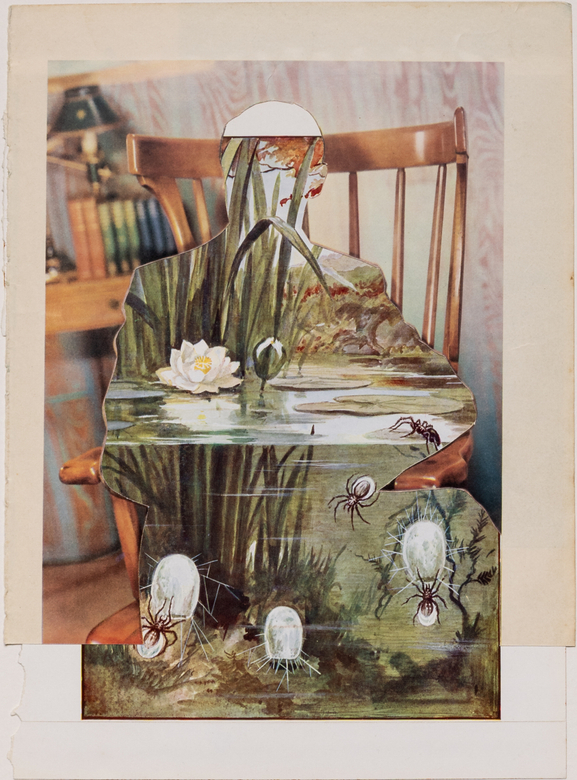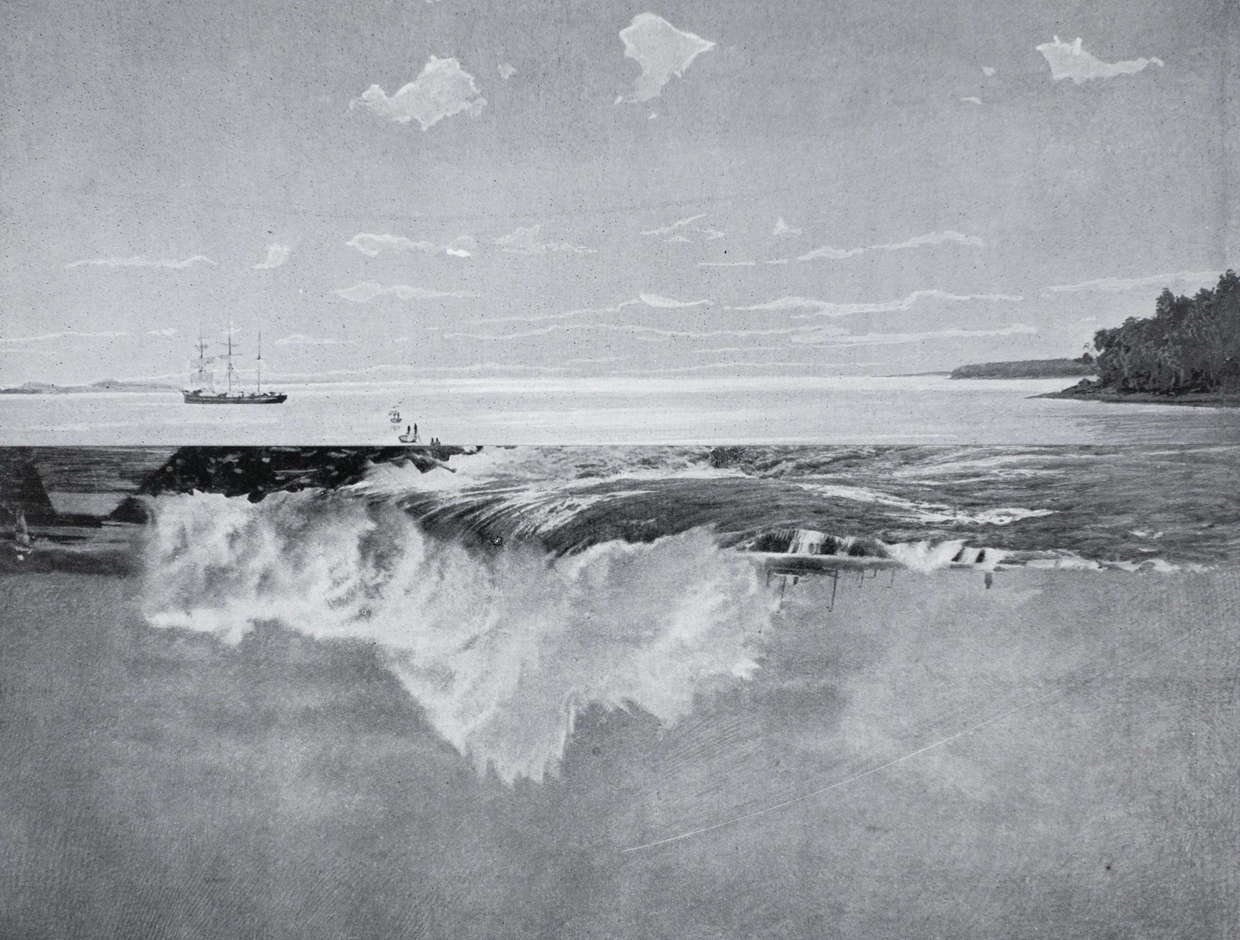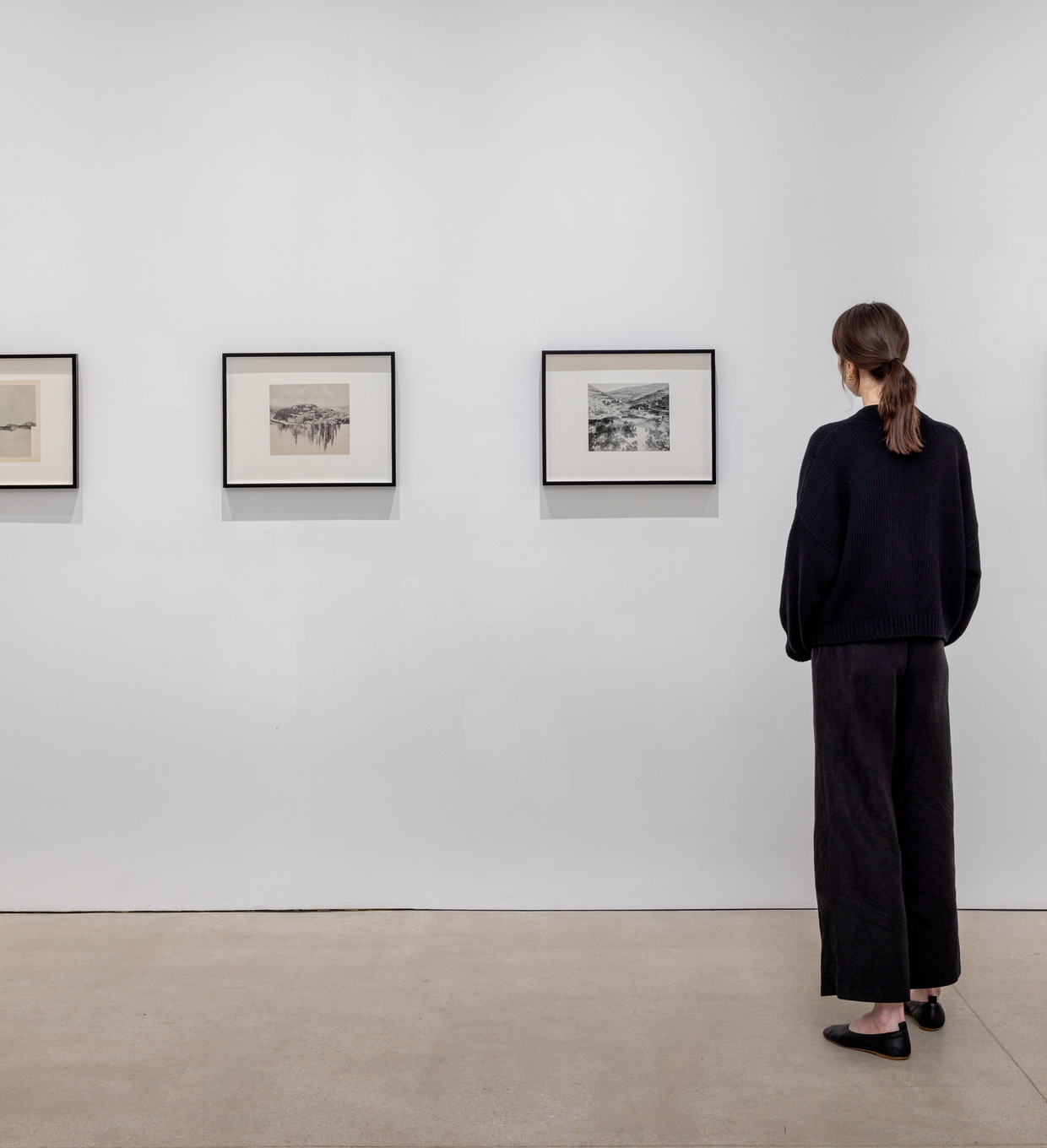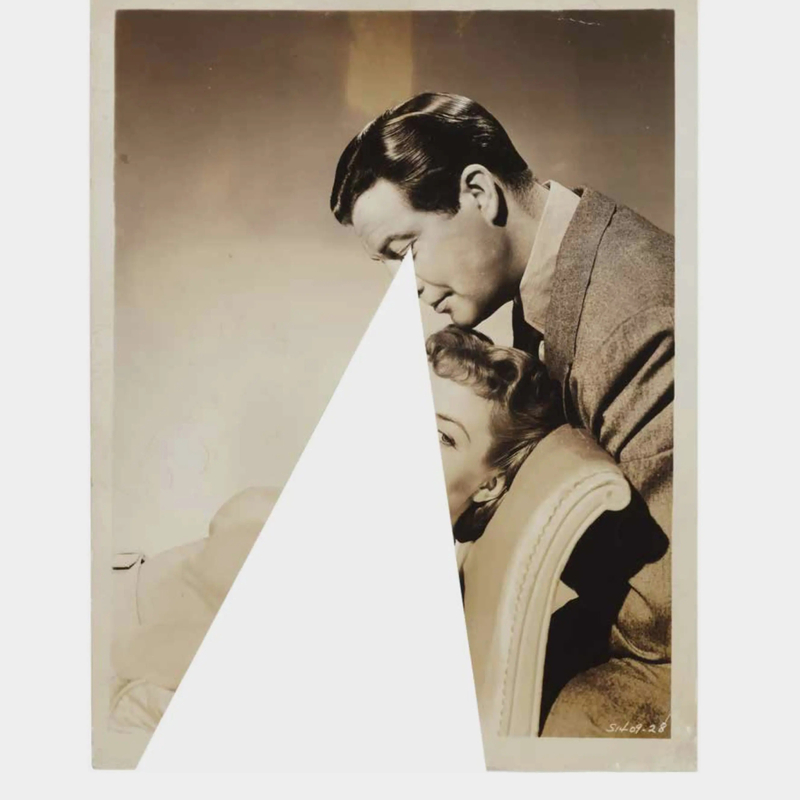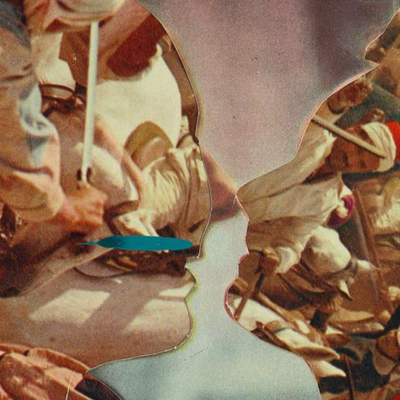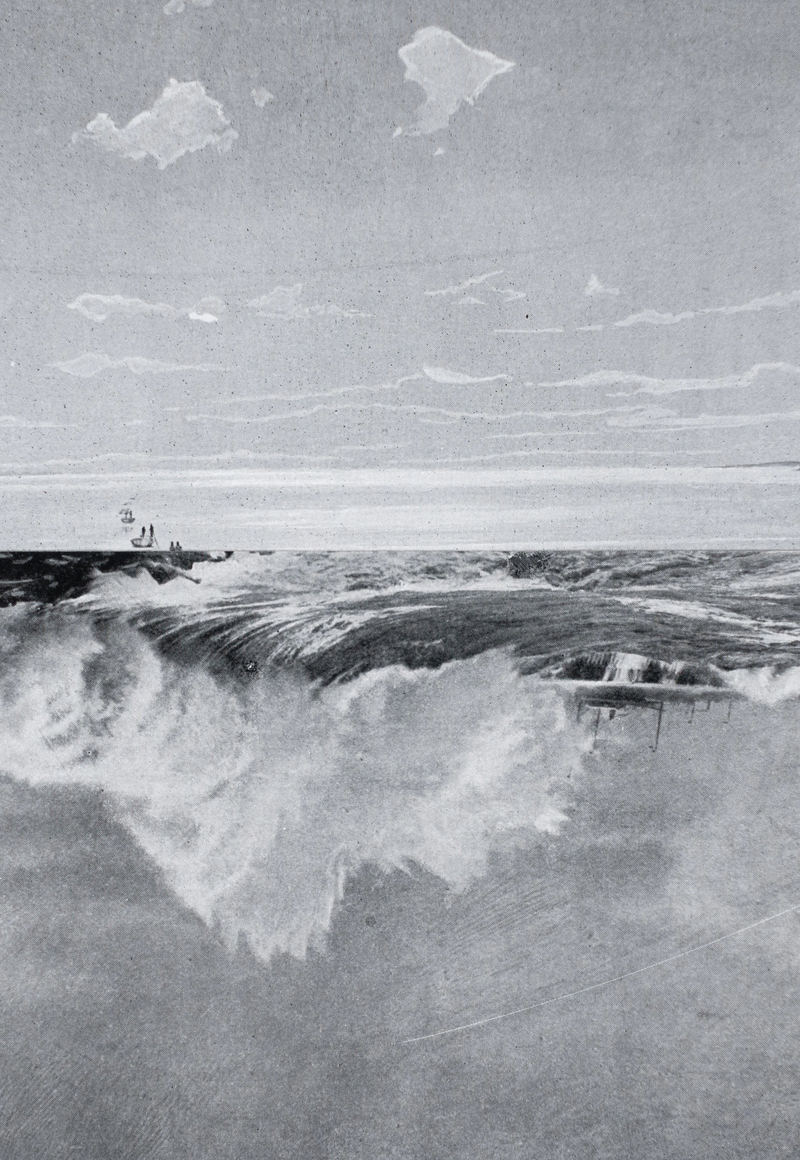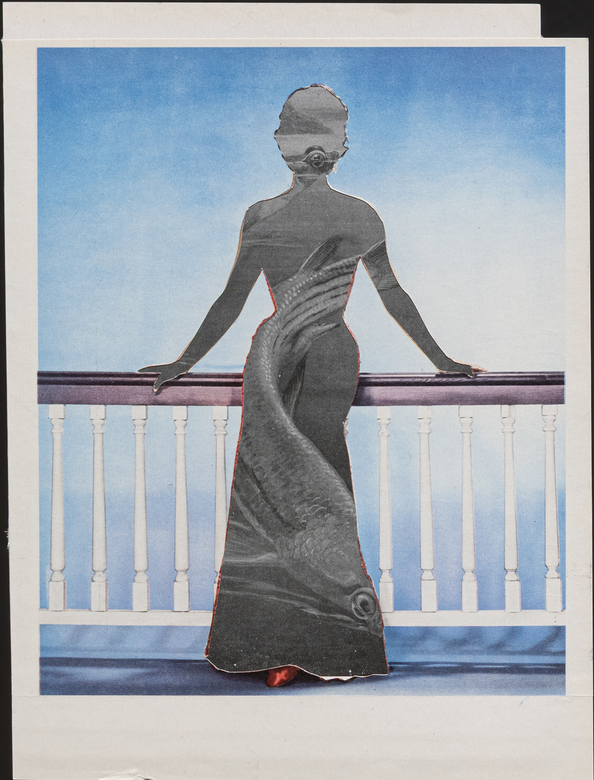
Born in Worcester in 1949, John Stezaker attended the Slade School of Fine Art, where he began working with readymade materials, found images, and collage techniques. Profoundly impacted by London’s vibrant art, theory, and literature scenes of the late 1960s, in 1970, with his friend Victor Burgin, Stezaker started making conceptual work with found photographs that critiqued Conceptual art itself, and began showing with galleries such as Lisson and Whitechapel. Using film stills, publicity photos, postcards, book illustrations, and silkscreens, Stezaker is a unique, outside figure in the constellation of Conceptual art, Pop, Punk, and the Pictures Generation. Stezaker was pioneering similar methods of appropriation, cuts, and rephotography alongside American artists Richard Prince and Sherrie Levine, but one aspect that set him apart was the influence of surrealism on his practice—especially the work of Max Ernst, Georgio de Chirico, and Man Ray—and his approach to sourcing images. Stezaker has said that the images find him.
Stezaker’s years of teaching at Central Saint Martins, Goldsmiths, and Royal College of Art had an indelible influence on subsequent generations, especially the Young British Artists. But it wasn’t until the 2000s that his own work started to become critically reassessed and reappraised. Stezaker has been the subject of solo exhibitions at National Portrait Gallery, Whitechapel Gallery, White Columns, and elsewhere, and was included in the 9th Biennale de Paris and the 19th Biennale of Sydney. His work is held in various collections, including MoMA, New York; Los Angeles County Museum of Art; Stedelijk Museum, Amsterdam; and the Tate, London. John Stezaker lives and works in London and St. Leonards on Sea.
For more information and available works, inquire here.